
Frequently Asked Questions
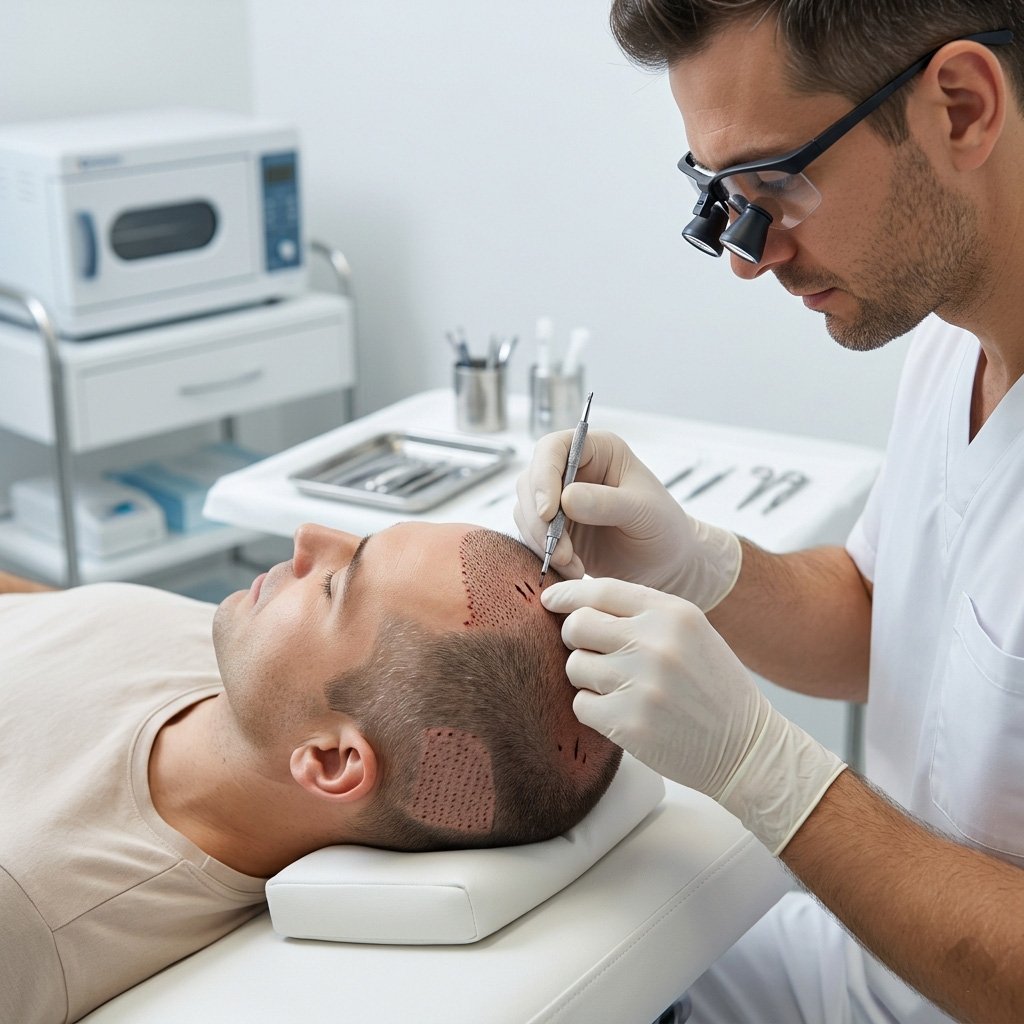
Yes, a hair transplant is considered a permanent solution. The transplanted hair follicles are taken from areas resistant to hair loss, which means they continue to grow naturally for a lifetime when proper aftercare is followed.
No, the procedure is performed under local anesthesia, making it comfortable and virtually pain-free. Patients may experience mild discomfort or tightness after the procedure, which usually resolves within a few days.
Initial hair growth typically begins within 3–4 months after the procedure. Noticeable improvement appears around 6 months, while full and final results are usually visible within 9–12 months.
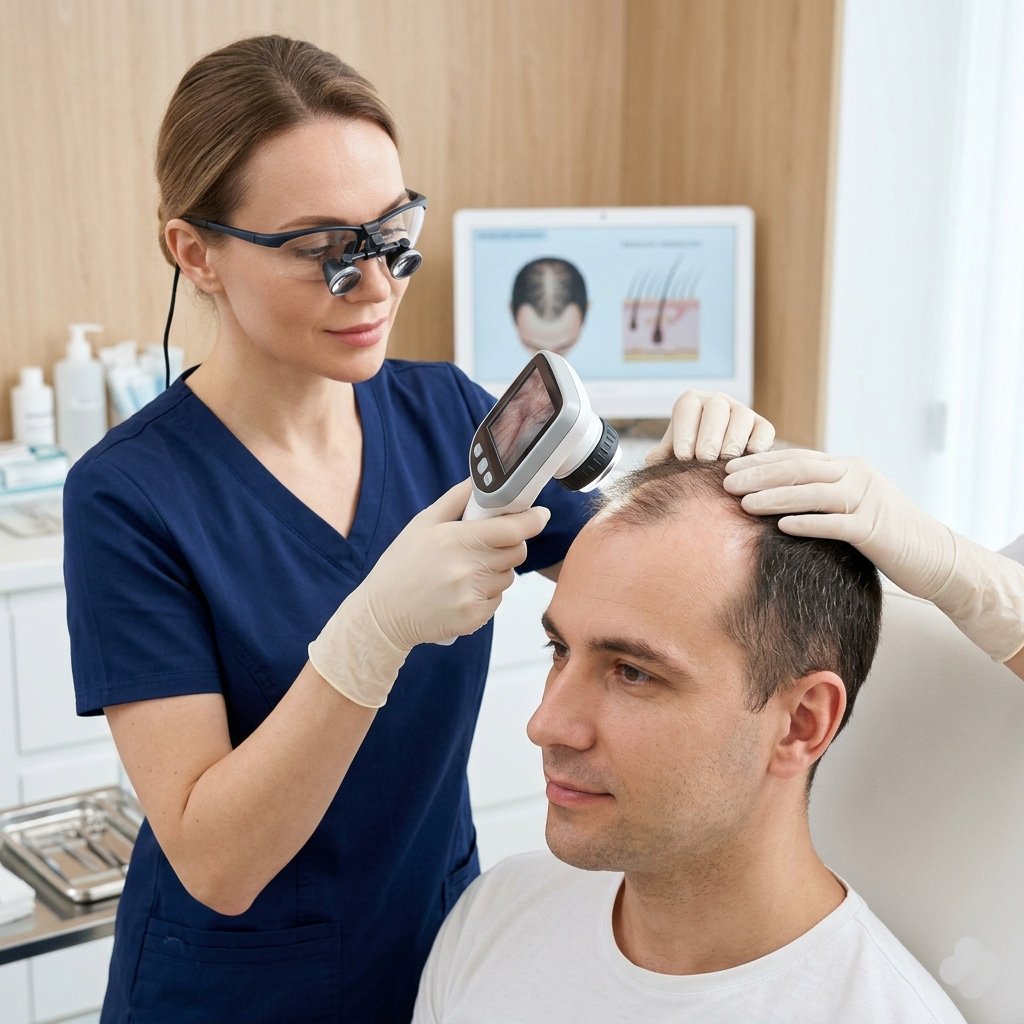
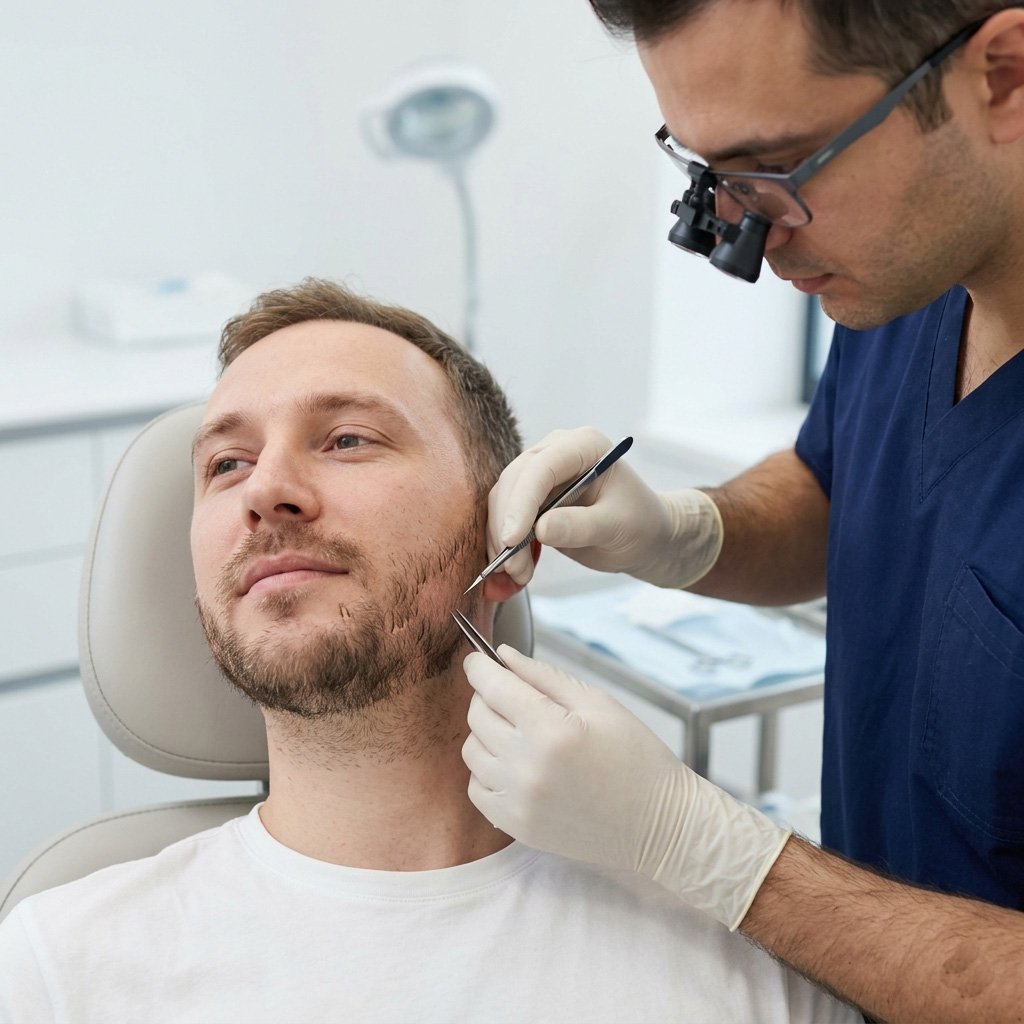
Individuals experiencing hair thinning, receding hairline, bald patches, or facial hair gaps are ideal candidates. A consultation and scalp analysis help determine eligibility based on hair condition and donor area strength.
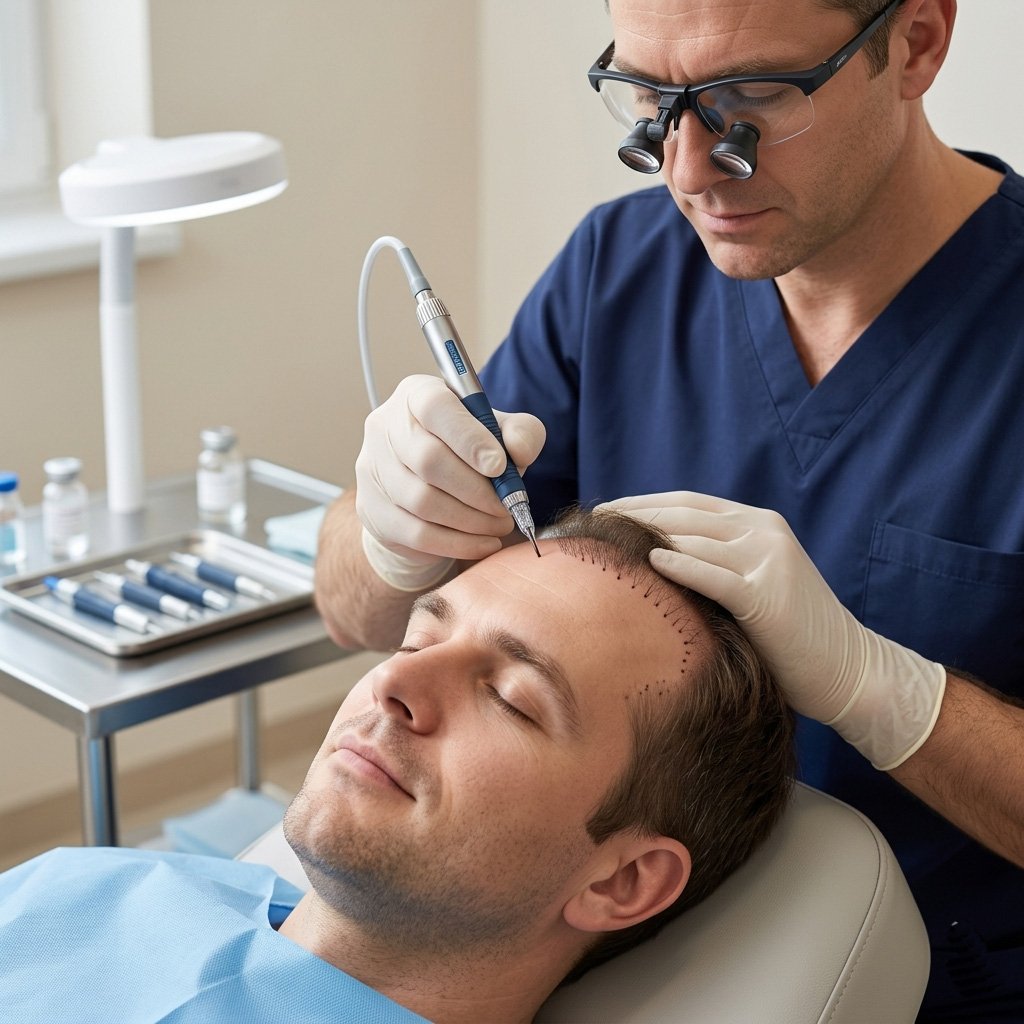
FUE involves extracting hair follicles and implanting them into target areas, while DHI uses a specialized implantation tool for higher precision and density. Both techniques provide natural and permanent results.
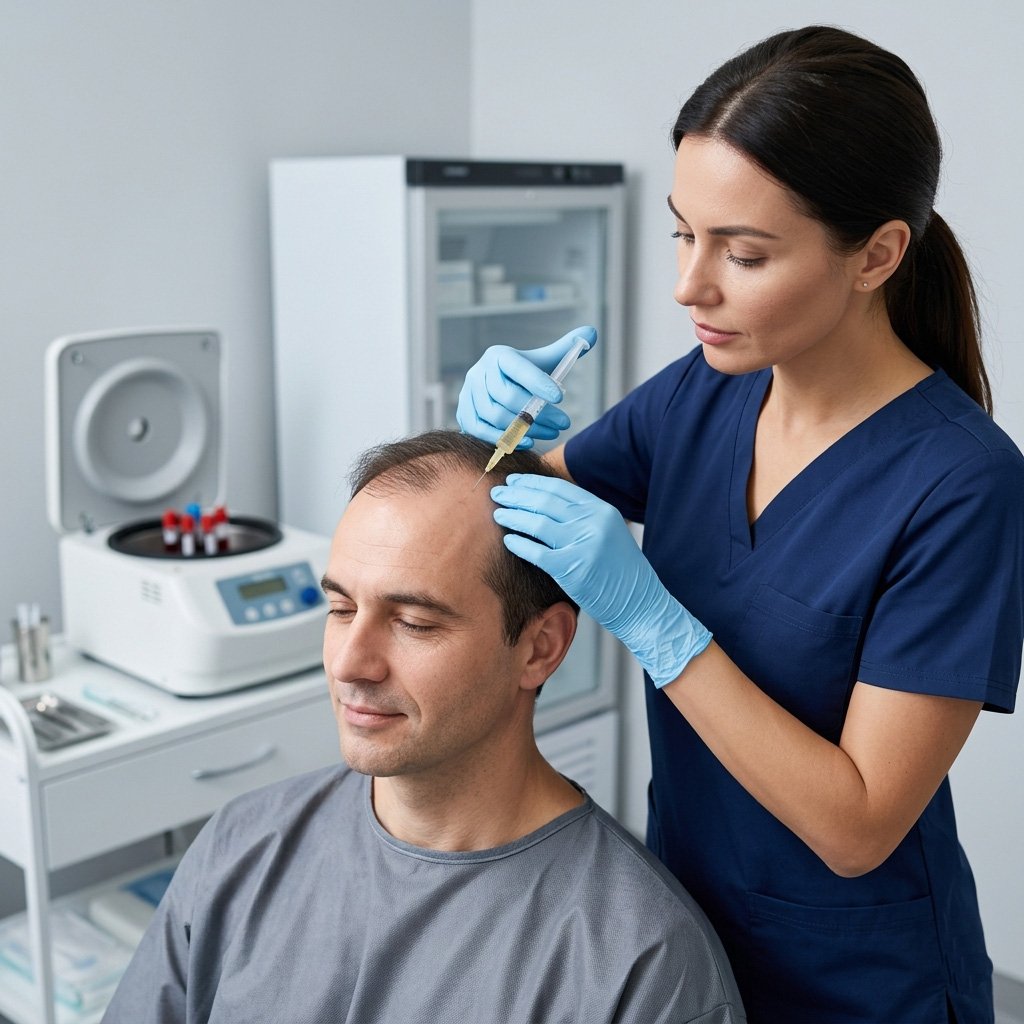
Yes, PRP therapy and other non-surgical treatments are effective for early-stage hair loss and thinning hair. They help strengthen hair roots, reduce hair fall, and improve overall hair density.
Most patients can return to normal daily activities within 2–3 days. Mild redness or swelling may occur temporarily, while complete healing usually takes 7–10 days depending on individual recovery.